
The Netherlands is among the world’s open economies and stands among the best countries in the world for technology and innovation. The country offers an excellent infrastructure, a strong treaty network as well as a business climate that is competitive. Netherlands’ tax incentives are diverse, and is stimulating innovation as well as business activities.
Every country has its own rules and other cultural influences to consider when doing business, and so does the Netherlands. When comparing negotiating in the Netherlands in other countries like the United States (US) or the United Kingdom (UK), there are a few differences. Below are some facts when it comes down to doing business in the Netherlands.
☰ Table of Contents
The Netherlands instead of Holland?
The Netherlands, often mistakenly referred to as Holland, means below sea level, as the country lies below the sea level, with “Nether” meaning “low” in Old Dutch. The term “Holland” originally referred to only two provinces within the Netherlands, North Holland and South Holland, but it is commonly used to refer to the entire country. However, the proper name for the country is the Netherlands, and it is composed of 12 provinces in total.
Business Meetings in the Netherlands
When meeting your clients or investors, the Dutch tend to be informal even though formality is appreciated. The Dutch are direct (confront issues straightforwardly) get straight to business and spend practically no time with niceties, this will be done after the meeting. People also shake hands and finish off by saying, “Pleasure to meet you.” Make sure you do not shake people’s hands vigorously, the Dutch don’t like too much physical contact so don’t go hugging and backslapping everyone in attendance.
Dutch Negotiation Style
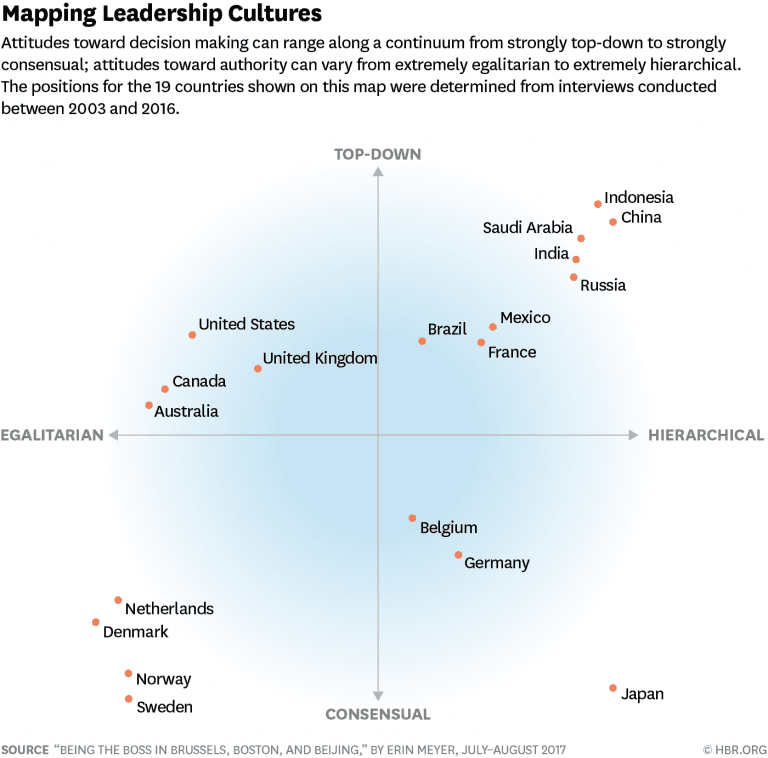
Negotiating in the Netherlands is also very different than in the US or the UK. The Dutch Leadership culture is about consensus. Consensual decision making sounds like a great idea in principle, but people from fundamentally non consensual cultures can find the reality frustratingly time-consuming, but it is always effective.
Therefore please expect the decision making to take longer. Do not expect the manager to jump in and decide for the group. The manager is a facilitator, not the decision maker. Everyone at the negotiation table is often treated equally regardless of his or her position (hierarchy). If you want to lead successful negotiations, make sure you are ready to listen more, talk less, and understand others. The good thing about the Dutch is that their decision is always final. They rarely go back on their word.
The process is on how to do business in the Netherlands, however, not hard, and if you are a patient person, you will find it to be straightforward to grasp. Similar goes to the negotiating process. You should also keep in mind that the Dutch do not like mixing business with pleasure. That means during lunch hours, you need to be fast so that you may get back to work.
Leadership Culture in the Netherlands
- Punctuality is generally appreciated in the Netherlands. Last minute cancellation or rescheduling of meetings are not appreciated.
- The Dutch have an extensive degree of organisation and planning, from scheduling meetings to book holidays far in advance.
- Managers are vigorous and decisive, but the consensus is mandatory, as there are many key players in the decision-making process. The style has often been described as ‘Polder Model’: The structure of the Dutch landscape stimulated a type of politics that wanted to accommodate minorities, looking for compromises and consensus decision-making. The Dutch will share, comment, express their opinions and present ideas, based on the principle that all people are equal and deserve equal rights and opportunities.
-
- Employees and managers are self-initiate and demonstrate flexibility on how to achieve goals, while working independently.
- The Dutch Leadership culture is about Consensual and Egalitarian. Consensual decision making sounds like a great idea in principle, but people from fundamentally non consensual cultures can find the reality frustratingly time-consuming. Expect the decision making to take longer. Don’t expect the manager to jump in and decide for the group. The manager is a facilitator, not the decision maker.
- The Dutch are direct (confront issues straightforwardly) get straight to business and spend practically no time on niceties, this will be done after the meeting.
1. Flat Hierarchies and Egalitarianism
Dutch organisations are famously non-hierarchical. Titles matter less than in many other countries, and decision-making is often decentralised. Leadership is expected to be accessible, collaborative, and humble, rather than authoritarian or status-driven. “Don’t act like the boss, act like a team member who takes responsibility.”
2. Consensus-Based Decision-Making (Polder Model)
The Dutch prefer to consult widely and build consensus before taking action which is embedded in laws, such as the Works Councils Act. This culture of consultation, also called the poldermodel stems from centuries of managing land and water together. Expect more time in meetings, more voices at the table, and decisions that stick because everyone had a say.
3. Direct Communication Style
Dutch leaders value honesty over harmony. Feedback is expected to be candid and constructive, even blunt at times. This can surprise non-Dutch employees but is rooted in a culture of trust, clarity, and continuous improvement. “If we don’t talk about it, we can’t fix it.”
4. Autonomy Over Micromanagement
There is a strong preference for trusting professionals to do their job. Employees at all levels are expected to take initiative, speak up, and manage their work independently. Leaders provide direction, not detailed supervision.
5. Work-Life Balance and Sustainability
Dutch leadership culture supports balanced working lives, with boundaries respected around working hours, vacation, and personal well-being. Leaders are not expected to glorify overwork, but rather to model sustainable success.
6. Inclusive and Socially Conscious
Dutch leaders are increasingly focused on diversity, equity, and corporate responsibility. There is a growing emphasis on purpose-driven business, psychological safety, and aligning company values with societal impact.
Dynamics of Employment Law in the Netherlands
Employment law in the Netherlands is robust, protecting both employees and employers. It covers various aspects such as contracts, working hours, leave entitlements, termination procedures, and discrimination laws.
Dutch employment law is based on both statutory regulations and collective labour agreements negotiated between employers’ organisations and trade unions. Key aspects include the requirement of employment contracts for employees, minimum wage regulations, and the provision of paid vacation days.
Additionally, Dutch law provides strong protections against unfair dismissal, requiring valid reasons and proper procedures for termination. Discrimination based on factors such as age, gender, religion, or sexual orientation is strictly prohibited.
Overall, the Netherlands’ employment law framework aims to ensure fair treatment and equal opportunities for all workers while balancing the rights and obligations of both employers and employees.
High Skilled Workforce Netherlands
The Netherlands has a highly skilled workforce nurtured by its education system, consistently producing top-performing graduates. With a workforce adept in digital skills and possessing an international mindset, aided by widespread fluency in English, the country offers an appealing environment for businesses seeking talent.
Moreover, the Netherlands stands out for its exceptional quality of life, making it an attractive destination for international professionals. These factors contribute to the nation’s allure as an ideal location for foreign companies seeking a vibrant and talented workforce.
HR Services Provider Netherlands
If you are scaling a business in the Netherlands (or managing HR remotely from abroad), chances are your team is stretched. HR complexity, local compliance, and day-to-day admin can drain your focus from what really matters: growing your business. That’s where we come in.
At Human in Progress, we are not your average HR Services & Academy firm.
We partner with founders, directors, and HR leaders to sharpen their People & Culture strategy, align teams, and reduce legal risk.
- Culture and engagement frameworks
- Employment law advice
- Talent & performance strategy
- HR audits and policy development
- Executive-ready People strategy
Academy Training that Empowers
We equip HR teams, entrepreneurs, and Works Councils with the skills and legal knowledge they need to lead confidently at the Human in Progress Academy. Practical, up-to-date guidance on what works in the Dutch landscape.
- Dutch Employment Law
- Works Council Fundamentals
- HR Document Compliance
- Leadership Development
Contact us today to discover how our HR solutions can elevate your business and propel you towards greater success.